

The Government refused the 840MW Botley West solar farm on 10 November, citing Green Belt, Blenheim and Oxford Airport safety. Bicester's MP welcomed it.
The Government has refused the Botley West solar farm, the 840 megawatt scheme planned for farmland across West Oxfordshire and Cherwell, next to London Oxford Airport. Baroness Curran, a minister at the Department for Energy Security and Net Zero, turned it down on behalf of the Energy Secretary on Tuesday 10 November, according to the Planning Inspectorate’s project page.
The decision letter says the harm would outweigh the benefits. It lists substantial harm to the Green Belt, harm to heritage including the Blenheim Palace World Heritage Site, significant damage to the landscape and views, a risk to aviation safety around London Oxford Airport at Kidlington that it calls “unacceptable”, and problems with how the developer dealt with the best farmland.
Calum Miller, the Liberal Democrat MP for Bicester and Woodstock welcomed the refusal within hours.
What Calum Miller said
In a statement from his office, Mr Miller said:
“I welcome the rejection of the Botley West proposal. This is the right decision for our area, and enormous credit belongs to the local campaigners and councils who worked tirelessly to make their case. The Government made clear that it took their evidence-based objections very seriously.
“We need to make the move to more renewable power, but proposals need to be developed with communities. That was absent in this proposal and central to my opposition. The developer’s failure to listen to local people and disregard for the examination process have let this application down.
“I give the Government credit for listening. Developers must take their responsibilities seriously and work with communities to deliver renewable energy that earns their support.”
Why the airport mattered
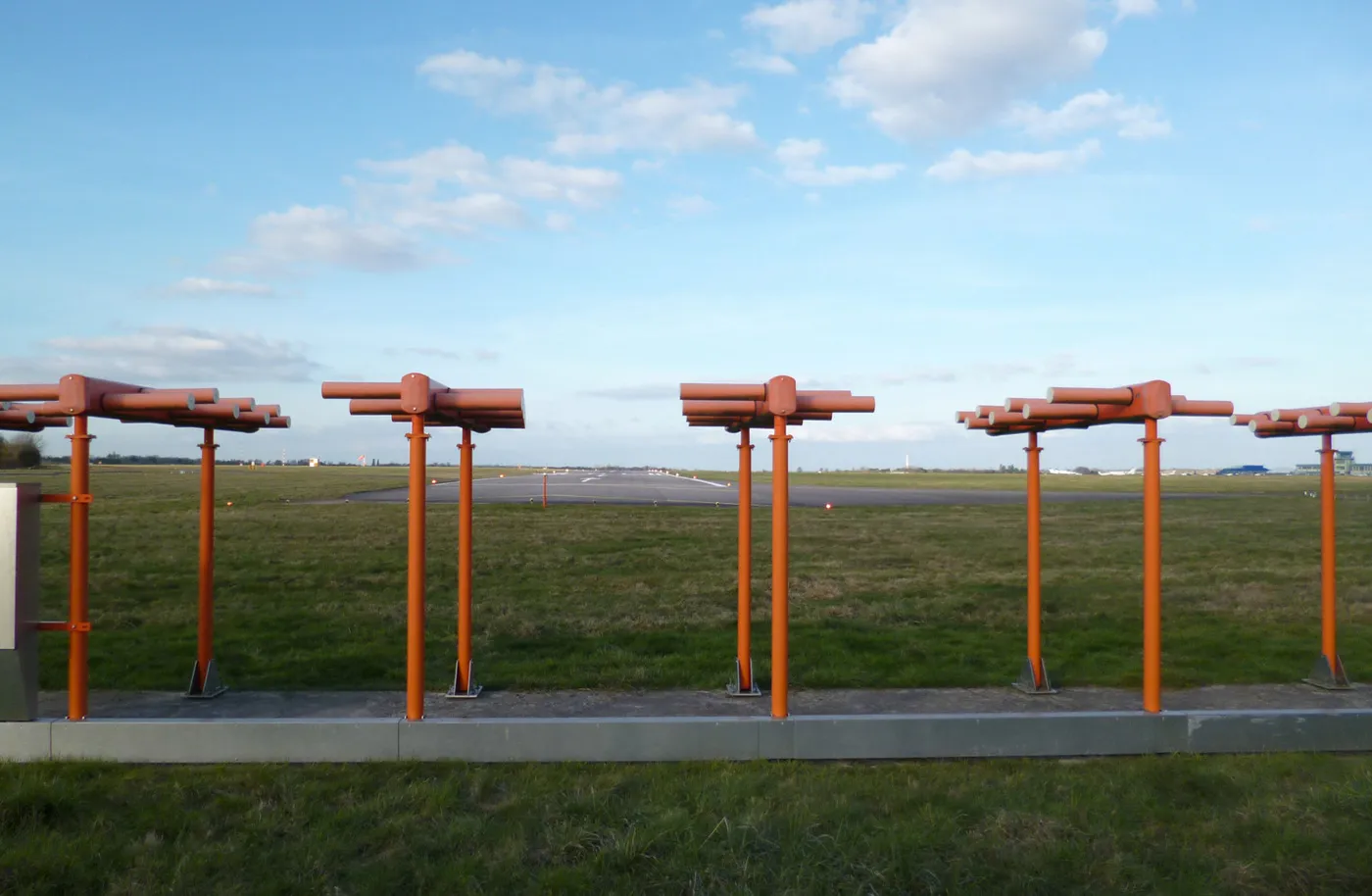
Aviation safety is one of the reasons named in the decision. The letter describes the airport as the biggest pilot-training airport in England, with more than 12,500 passengers using it in 2024, and says risks from engine failure after take-off, heat plumes off the panels and bird strikes are “more acute given the inexperience of trainee pilots”.
The developer had shown a plan with panels taken out of the area near the runway that the airport’s safety team wanted kept open. The minister said that was only an illustrative drawing, not part of the formal works plans, so she could not treat the problem as solved.
What was planned
The application, made on 14 November 2024 by Photovolt Development Partners on behalf of SolarFive Ltd, was for ground-mounted solar panels across northern, central and southern areas joined by cables. It covered land in West Oxfordshire, Cherwell and the Vale of White Horse, with a main substation, six smaller substations and 156 power converter units.
The developer had said the farm would power about 330,000 homes. After cutting the panel area by about 130 hectares, it lowered that to about 275,000, the letter records.
The four planning inspectors who examined the scheme between May and November 2025 had already recommended refusal in a report dated 10 February 2026. Ministers put the decision back twice, first to 10 September and then to 10 November. The letter also records that 1,115 people and organisations registered to have their say, and that Cherwell District Council and Oxfordshire County Council both sent in reports on the local impact.
Among the churches the letter says would be harmed is the Grade II* listed Church of St Michael in Begbroke. It also notes that the councils corrected the developer for calling Kidlington a village: it officially became a town on 20 February 2026.
What it means for you
- The solar farm will not be built as proposed. Development consent has been refused, so nothing can be built under this application.
- The developer can still go to court. Under the Planning Act, a refusal can only be challenged by judicial review in the Planning Court, and the claim has to be made within six weeks of the decision being published, so by late December.
- The papers are public. The decision letter, the inspectors’ report and the rest of the documents are on the Planning Inspectorate’s Botley West page.
For other big schemes around Banbury, Bicester and Kidlington, see our planning news page.
Have your say